In progressive cavity pumps, the stator is a crucial component for pump efficiency; its failure can have serious consequences. The stator is typically made of rubber or plastic and is rotor-shaped; both work together to maintain the fluid flow. The stator also acts as a valve within the pump, preventing (in positive displacement pumps) the backflow of fluid to the inlet.
Static, progressively deepened parts can generally last for many years, but experience shows that they can also fail earlier for a number of reasons.
Here are the seven most common causes of premature stator failure, the symptoms to look out for, and the causes themselves:
1. Liquid temperature
The difference between the rotor and the stationary part of the pump is very small (sometimes only a few millimeters), which ensures high efficiency.
If the temperature of the working medium exceeds the specified value during measurement, the stator contracts due to the increased temperature. This reduces the gap between the rotor and stator, leading to wear on the moving parts . This design may not be suitable for extreme temperature fluctuations. The stator expands within a temperature range of 20 to 54 degrees Celsius.
To compensate for temperature fluctuations, metal rotors are typically small and expand at certain temperatures. Therefore, it is important to report all possible temperatures of the working fluid during operation.
It is important to ensure that the fluid temperature corresponds to the pump’s rated operating temperature at different times of day. Additionally, power consumption should be checked, and the pumped fluid should be free of rubber contaminants .

2. Chemical attack
Pumping fluids incompatible with the medium being pumped can lead to chemical corrosion . This can occur unintentionally in some processes, such as wastewater treatment, if the stator comes into contact with fluids not originally designed for pumping oil, other chemicals, or solids.
This can lead to wear on the rotor or affect the geometry of the stator : The stator holes expand and then no longer have a shape that is opposite to the shape of the rotor.
As the pump stator expands, it comes into contact with rotating parts, leading to wear and a shortened service life. Over time, the stator dries out, the lubricating effect diminishes, causing further O-rings to expand and eventually leak in the pump or other components. This wear can lead to machine failure.
One inspection method involves removing the pump from the pipeline to determine whether the stator has expanded and protrudes beyond the pump housing. Conversely, the stator could also have contracted.
A more thorough inspection can be carried out by disassembling the pump to check the stator and rotor for signs of chemical corrosion, such as exposed metal surfaces. The chrome plating on steel or cast iron rotors may show signs of pitting or dents. A stator that has been exposed to incompatible chemicals may develop cracks.
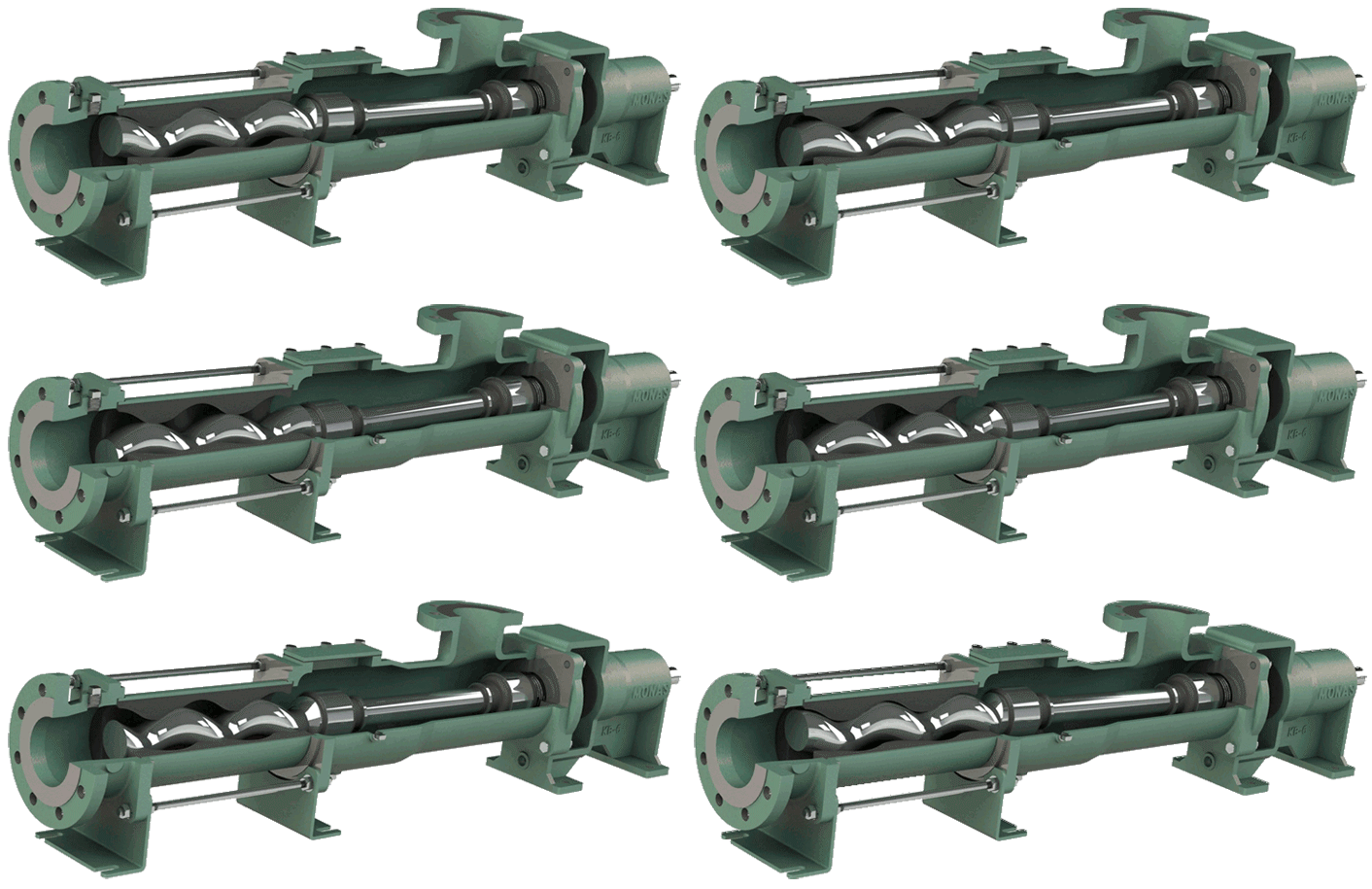
3. Suction head
If the suction height is too high in a particular application, cavitation can occur in the pump due to insufficient suction pressure.
Symptoms include reduced current, vibrations, creaking noises, and the appearance of small holes in the stator, giving it an uneven appearance.

4. Inactive
When a pump runs without fluid, it is called dry running . In a screw pump, this causes the stator to rub against the rotor without lubrication, which leads to the high-friction rotor surfaces sticking together.
When the machine is disassembled , this becomes apparent through the rotor sticking to the rubber rotor. The stator may also exhibit dents, an “orange peel”-like surface, bulges, geometric fractures, and severe wear. Furthermore, it may become soft and sticky and emit a burnt odor.
The finished pumped product may contain rubber fragments. This can be due to frequent pumping.
Installing a control panel with a high-current sensor or a temperature sensor on the perforated stator allows you to detect if the water pump is running dry. The pump can then be stopped before damage occurs, thus protecting the stator.
5. Abrasives
If the pumped fluid is highly abrasive and the pump speed is too high, scratches can occur on the pump housing, parts of the stator can detach, and pump performance can decrease due to reduced efficiency. Reduced pump performance is one of the aforementioned symptoms, as is the presence of rubber fragments in the pumped fluid.
AHLEX screw pumps, AHLEX SE series
6. Excessive export pressure
Excessive delivery pressure can lead to premature failure of the pump stator within the design parameters. Progressive cavity pumps are typically designed for pressures up to 24 or 48 bar.
If the operating point is close to the maximum pressure for an extended period of time, it is better to choose a more powerful pump that can withstand higher pressure and has a larger safety margin.
7 layers
If the cross-linking between the rubber molecules is not strong enough, the layers separate from each other, leading to weak points in the layer structure.
During operation, the stator can wear out, leading to a deterioration of its properties, such as reduced flow and pressure, strong vibrations, and the presence of rubber deposits in the final conveyed product.
This article discusses the seven most common causes of pump stator failure. If you experience recurring problems with your pump stator and are unsure of the cause or solution, please contact us; we will be happy to assist you.