Pumping viscous, corrosive, or solids-laden liquids has always posed a significant challenge in various industries. Many conventional pumps reach their limits when handling viscous materials, sludges, or sensitive liquids. In such cases, single-pump units offer an ideal solution for industrial fluid transfer. Thanks to their specialized design and reliable operation, these systems are widely used in industries such as food processing, chemicals, oil and gas, wastewater treatment, pharmaceuticals, and agriculture.
This article provides a comprehensive overview of individual pump units, their components, operating principles, advantages and disadvantages, areas of application, and important points to consider when purchasing.
What is a simple pump?
A screw pump, also called a single-stage pump, is a positive displacement pump designed for pumping highly viscous liquids and media containing solids. This type of pump consists of a screw rotor and a rubber stator; the rotation of the rotor distributes the fluid evenly and without collisions.
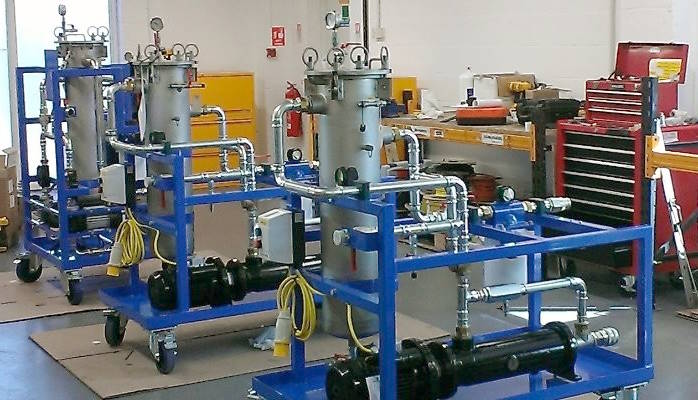
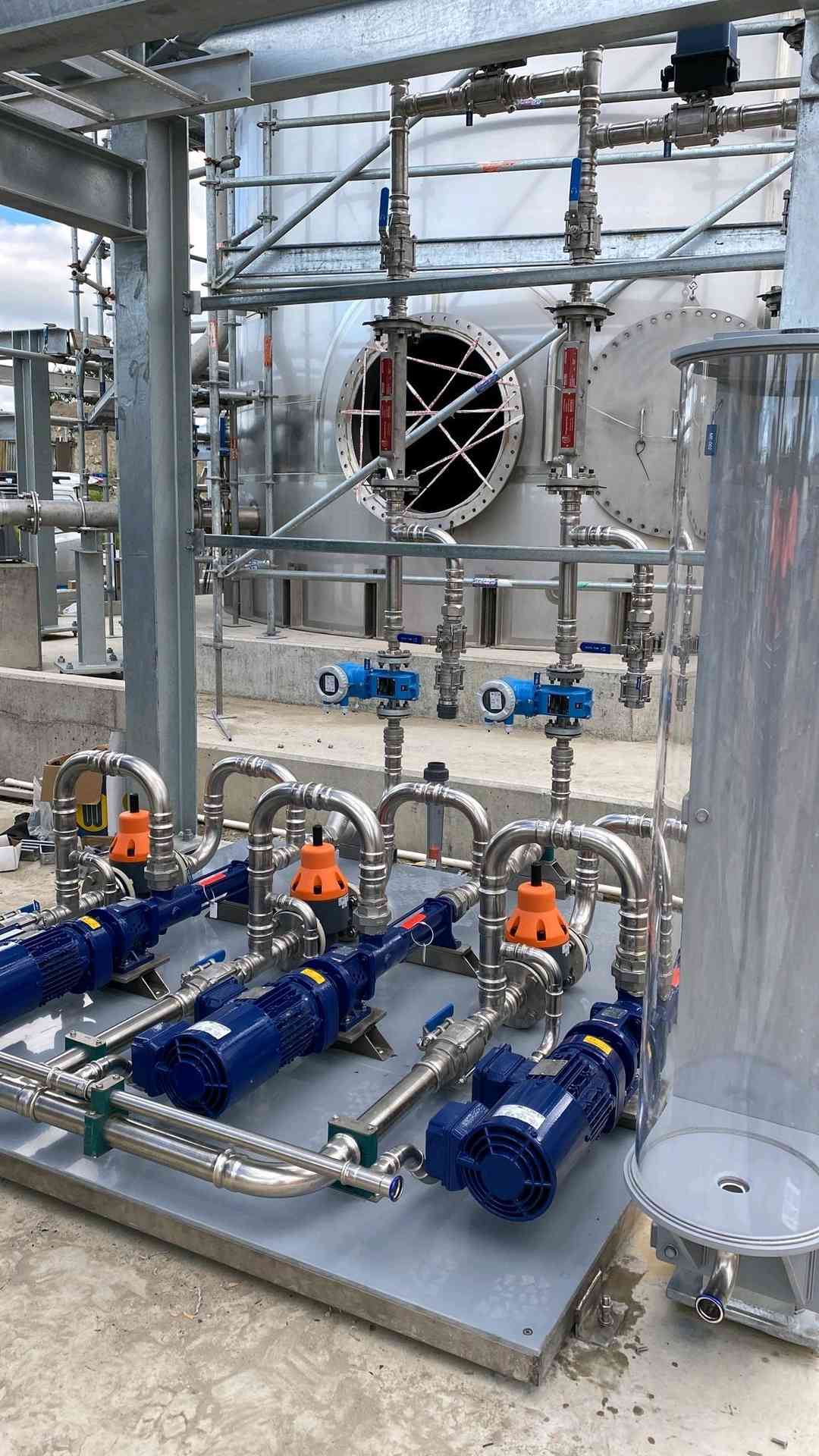
A single pump unit is essentially a complete device comprising a pump, motor, gearbox, control cabinet, chassis and control unit , and is designed for integrated industrial use.
The operating principle of a simple pump unit
The operating principle of a simple pump is based on the rotational movement of a rotor inside a stator. The rotation of the rotor creates cavities between the rotor and stator, and the fluid in these cavities is directed to the outlet.
As a result of this process, the following will occur:
- The fluid flow must be absolutely uniform.
- No impulses or shocks occur during the transmission process.
- No sensitive materials were damaged.
- Suitable for transporting heavy and abrasive materials.
Therefore, single pump units are ideal for transporting substances such as honey, pastes, sludge, oil, adhesive, paint and chemicals.
The main components of a simple pump set
1. Dizziness
The rotor is a spiral-shaped metal element that sets the fluid in motion and is typically made of stainless steel or a corrosion-resistant alloy.
2. Fixed part
The stator is a rubber component inside the pump around which the rotor rotates. The choice of stator material depends on the type of fluid being pumped.
3. Electric motor
An electric motor supplies the energy needed to turn the rotor. The motor’s power output depends on the required flow rate and pressure.
4. Transfer
The gearbox reduces the engine speed and provides the torque needed to pump viscous fluids.
5. Structure and connections
All components are mounted on a chassis to ensure stable and safe operation of the system.
6. Distribution boxes and control units
Many kits also include a control panel, a frequency converter, and protective devices for precise control of pump performance.
Advantages of using a single pump unit
Transport of viscous liquids
One of the most important advantages of a simple pump is its ability to pump highly viscous liquids. Many centrifugal pumps operate inefficiently under such conditions.
Smooth and uninterrupted flow
With these pumps, the fluid flow is absolutely uniform and quiet, thus avoiding vibrations.
Ability to transport materials containing solid particles.
A single pump unit is able to pump liquids containing solid particles or fibers without clogging.
High suction power
These pumps have a high suction power and function perfectly even at low liquid levels.
Dubai – High Precision
Thanks to the displacement function, the outlet flow is very precise and controllable.
Suitable for delicate materials
In the food and pharmaceutical industries, some materials cannot withstand excessive pressure or shocks. A single pump can handle such materials without damaging their structure.
Disadvantages of using a single pump
Despite these advantages, these pumps also have a number of limitations:
- The initial costs are relatively high.
- Stator corrosion due to improper operating conditions .
- Special maintenance work is required.
- Sensitivity to dry running without liquid
Naturally, the lifespan of the pump can be significantly extended by choosing the right model and carrying out regular maintenance.
Application of individual pump units in various industries
food industry
In the food industry, it is used to transport the following substances:
- Honey
- ketchup
- Chocolate
- block
- Lactic acid
- Sauces and jams
It was used.
Wastewater treatment industry
In sewage treatment plants, this type of pump is frequently used to pump out sewage sludge and viscous wastewater.
Oil and gas industry
A pump is used to transport heavy oil, drilling mud and petroleum products .
chemical industry
Another important application of this pump is the pumping of corrosive and chemically sensitive substances.
pharmaceutical industry
Accurate and safe dosing is of utmost importance in the manufacture of pharmaceutical and medical products , and disposable dosing pumps are ideal for this requirement.
agriculture
It is also widely used in fertilization systems and for supplying the body with organic matter.
The difference between single-phase and centrifugal pumps
Many people hesitate when choosing between single-phase and centrifugal pumps. The main difference between them lies in their operating principle.
| Special feature | A pump | centrifugal pump |
|---|---|---|
| Type of work | positive bias | mobile |
| Suitable for viscous liquids | Yes | NO |
| Regular flow | Very large | half |
| Ability to transport solid particles | higher | limited |
| Flow accuracy | higher | fewer |
| Initial costs | additionally | fewer |
If the liquid is viscous, perishable, or contains solids, then using a single pump is the best option.
Important factors to consider when selecting a single pump kit.
Liquid type
Viscosity, temperature, corrosion , and solids content must be measured.
Dubai
The amount of liquid to be pumped per unit of time influences the choice of pump capacity.
work pressure
System pressure plays a crucial role in determining engine power and pump type.
Cutting materials
When working with aggressive liquids, stainless steel or corrosion-resistant materials should be used.
Environmental conditions
When developing packaging designs, ambient temperature, humidity and installation conditions must also be taken into account.
Maintenance and extension of the service life of a single pump.
To avoid damage to your water pump and extend its lifespan, please observe the following points:
- The water pump must not be operated in dry weather.
- Regularly check the fixed and rotating parts.
- Proper lubrication of the components
- If large particles are present , a filter must be used.
- Regular maintenance by qualified professionals.
Regular maintenance can reduce repair costs and improve system efficiency.
Price for a set including one pump
The price of an insulin pump set depends on various factors, including:
- Pump performance and flow rate
- Rotor and stator materials
- Engine power
- Device brand
- Types of switch cabinets and control systems
- Operating pressure of the system
Therefore, it is recommended to carefully review the project’s technical specifications before purchasing in order to select the most suitable model.

The best brand for single pump systems
There are numerous brands that manufacture personal bombs in Iran and worldwide . Among the best-known are:
- niche
- Seebex
- Infectious mononucleosis
- Electronic control unit
- Orwell
Some local manufacturers also offer high-quality products at reasonable prices.

Why is it important to use commercially available individual components for the pump?
Using a complete set of equipment instead of buying individual components offers several advantages:
- Faster installation
- All elements are perfectly coordinated.
- Reduction of the number of errors during implementation.
- Improvement of the security level
- Improved customer service
- Reduced maintenance costs
Therefore, many industries prefer to use ready-made software packages that are available on the market.
In conclusion
Single-pump conveying systems are among the most practical industrial devices for pumping viscous and sensitive liquids containing solids. These systems ensure stable operation, high precision, and the ability to handle a wide range of materials, making them a valuable addition to many industries.
Selecting the right pump based on the type of fluid being pumped, the flow rate, the pressure, and the operating conditions is crucial. Regular maintenance and the use of high-quality equipment can also extend the system’s lifespan and reduce maintenance costs.
If you are planning to purchase a pump unit, you should carefully consider the requirements of your project and then consult a specialist to select the most suitable model.