Monopump components
- Electric motor
- change
- Single pump rotor
- Single pump stator
- Mono pump with rubber stator
- Mono pump body
- Mechanical seal or sealing system
Advantages of the mono pump
- Transfer of viscous fluids
- Transferring fluids with rough and sharp objects
- It has a uniform and uninterrupted flow
- It is silent and has low and easy maintenance cost.
- Repairs in Iran without the need to import spare parts
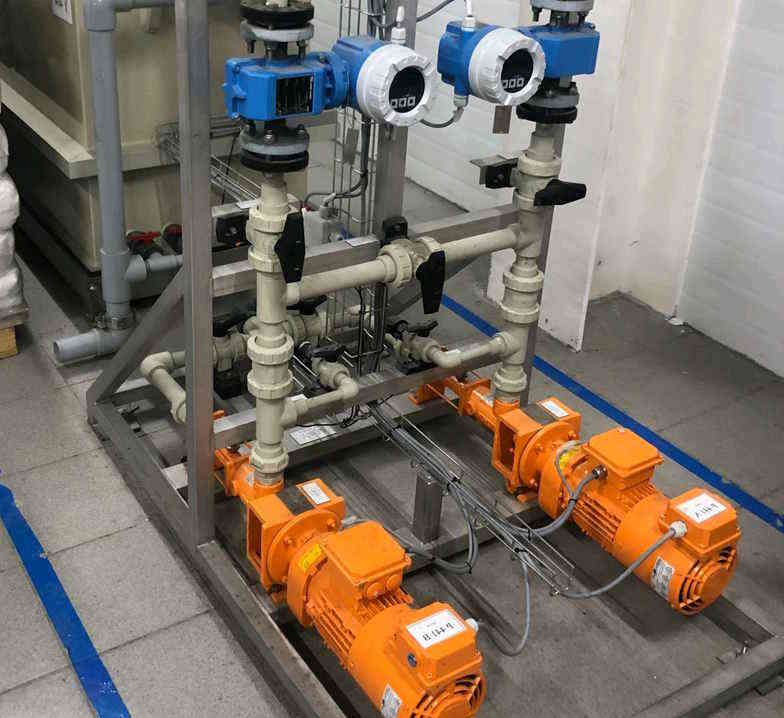
Types of rotor and stator geometry in mono pump
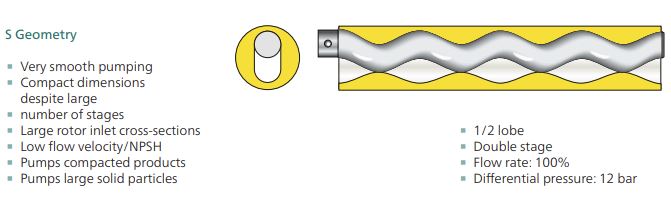
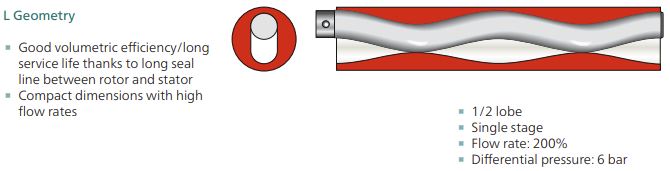
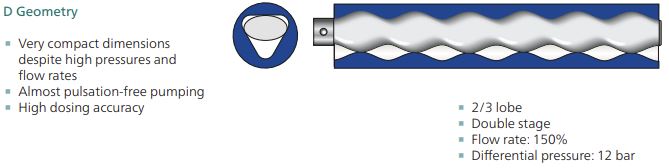
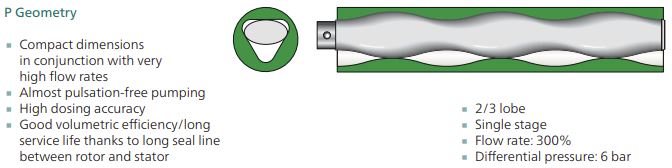
Types of mono pumps based on structure
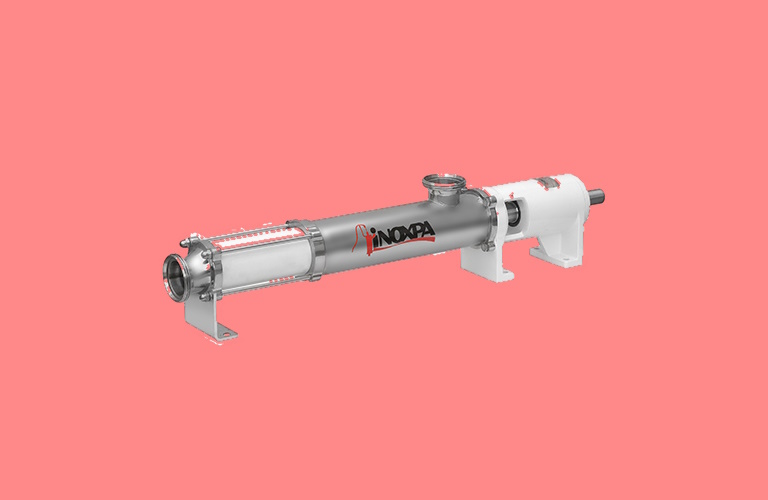
Simple mono pump (with tube inlet)
This type of pump is the most common. It is used for tasks such as transferring flocculant into polyelectrolyte packages.
Funnel inlet for fluids with large particles
This pump is typically used for hyperviscous (highly viscous) and semi-solid materials.
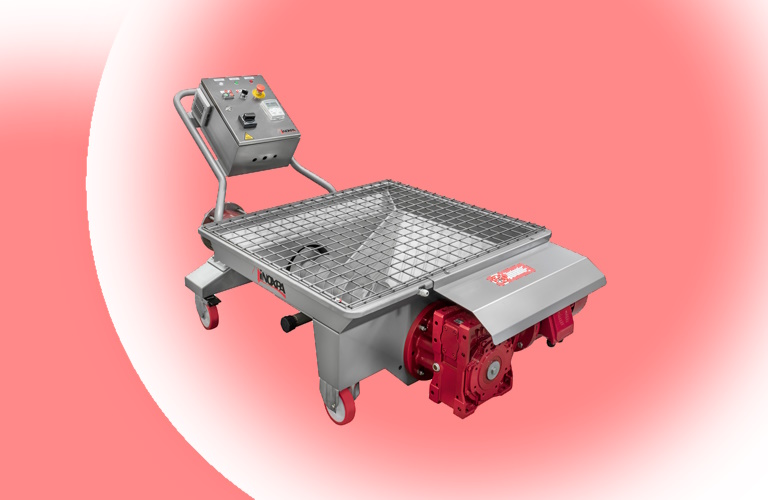
Portable mono pump
This type of mono pump is used to discharge all the cargo arriving at the factory.
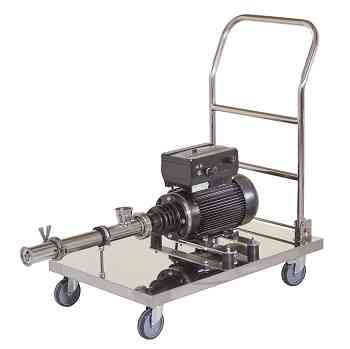
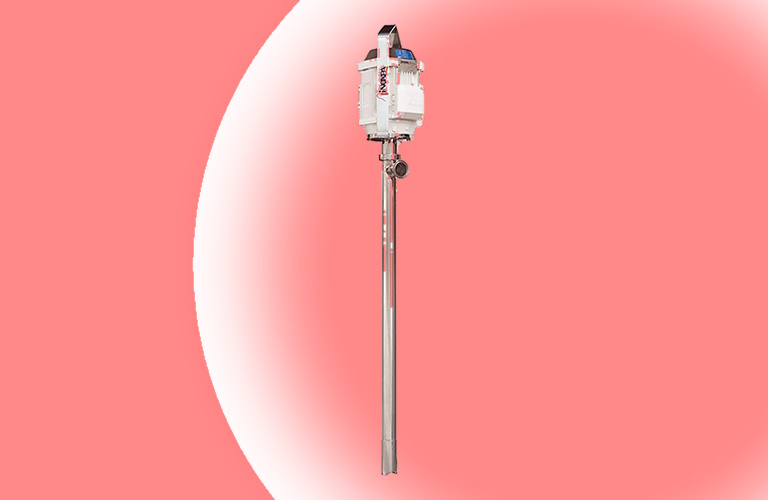
Barrel pump (vertical single pump)
This type of pump is usually used as an alternative to the grease pump to empty the grease tanks and transfer it to the injection line.
Target industries with mono pump
- Wastewater Treatment
- coagulation
- paint industry
- Chemical industry
- steel industry
- petrochemical
- paper industry
- cement industry
- Ceramic industry
Determination of single pump flow rate parameters
- Rotor diameter
- Rotor primitive length
- Rotor length