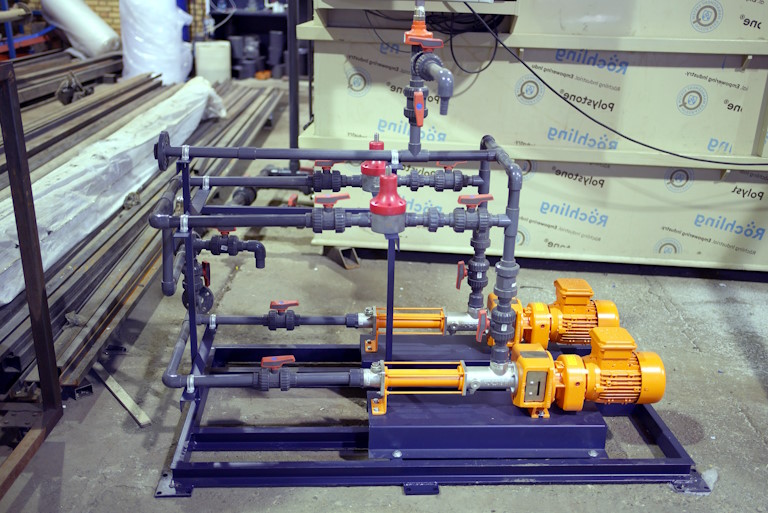
Screw-in pumps are positive displacement pumps widely used in various industries, such as oil and gas, food processing, pharmaceuticals, water treatment, and mining, due to their ability to handle sensitive, highly viscous, and particulate-laden liquids. The proper operation of these pumps directly impacts process efficiency and maintenance costs. Therefore, quality control of screw-in pumps is crucial to ensure their stability and safety, as well as to reduce operating costs.
The importance of individual pump quality control
Due to their unique design, single-stage pumps require the highest precision in manufacturing and the use of raw materials. Even minor design or material defects can lead to premature wear, leaks, or reduced pump performance. Therefore, quality control at every stage of production and operation of single-stage pumps, from the initial design phase to final testing, is crucial for optimal performance.
Main components of a single-stage pump and important quality control points
For effective quality control, it is necessary to understand the main components of a single pump and the key characteristics of each component:
1. Dizziness
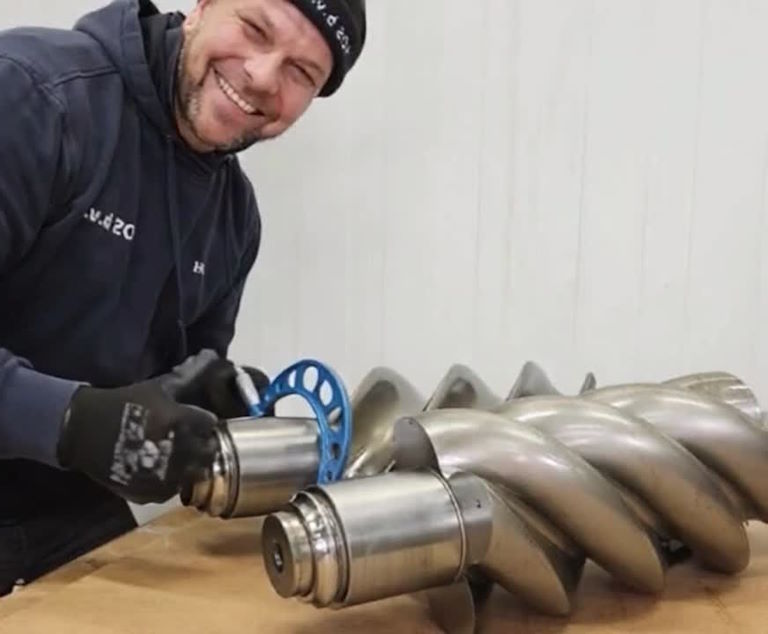
The rotor is typically made of stainless steel or chrome-plated carbon steel and has a spiral shape. Quality control of the rotor includes the following:
-
Technical checks (size, distance, diameter) using precision instruments
-
Check the thickness and uniformity of the chrome plating.
-
Hardness test
-
Crack detection testing (non-destructive testing methods such as liquid penetration testing or ultrasonic testing)
2. Stator
The stator is typically manufactured from wear-resistant rubber (NBR, EPDM, or Viton) using a precision casting process. Quality control of the stator includes:
-
Precise control of the geometric rotor alignment
-
Check the uniformity of the inner wall thickness.
-
Testing the adhesion of rubber to a metal body
-
Chemical resistance and mechanical testing of rubber
3. Connection of shaft and joint
The column must be perfectly balanced and precisely manufactured. Important tests:
-
Dynamic axle balancing
-
Jump test
-
Stiffness and fatigue strength control
4. Sealing system
Many monopumps use mechanical seals. These systems must withstand pressure and temperature. Standard tests:
-
Leakage test
-
Check the compatibility of the material with the process fluids.
-
Power control at high temperatures
 The most important phases of individual quality control of pumps
1. Quality control of raw materials
Before production can begin, the raw materials must undergo laboratory analysis. This phase includes the following:
-
Chemical analysis of mineral and polymeric materials
-
Testing of mechanical properties (tensile strength, hardness, abrasion resistance)
-
Obligation to certify raw materials from suppliers
2. Review of the process
Continuous quality control during processing and assembly:
-
For accurate measurements, use calibrated instruments.
-
Verification of conformity with the technical plans
-
Control of heat treatment and surface treatment processes such as hardening or coating.
3. Final performance test
After assembly, the pump undergoes functional tests. These tests include:
-
Flow and pressure testing in real-world environments
-
Sound and vibration measurements
-
Check connections and seals for leaks.
-
Thermal tests are performed to ensure operation at operating temperature.
4. Quality control of packaging and transport
Sensitive components such as stators must be properly packaged to prevent damage during transport. Packaging requirements include shock absorbers, corrosion protection coatings, and wooden crates.
 Individual quality control of a single pump
a) Hydrostatic pressure test
Make sure the pump housing is robust and does not leak even under high pressure.
b) Endurance test
Simulation of long-term operation of the pump to test for wear, overheating and component failure.
c) Chemical testing of the fixed rubber material
Evaluation of the resistance of rubber to various liquids such as acids, alkalis, oils, etc.
d) Vibration test
Identify misalignments and assembly errors that increase wear.
The role of documents and quality standards
All quality control procedures must comply with the technical documentation, drawings, and international standards such as ISO 9001, API, and DIN. The quality control documentation includes:
-
Results of the laboratory examination
-
Material certificate (factory test certificate)
-
Final report on the performance test
Advantages of proper quality control of individual pumps
-
Extends the lifespan of the pump and reduces unexpected failures.
-
Ensuring compliance with sensitive manufacturing processes
-
Increase customer satisfaction and reduce warranty costs.
-
Reduction of production line downtime in related industries
 Finally
Quality control of single-stage pumps is a crucial, multi-stage process encompassing all aspects of design, manufacturing, assembly, and operation. Strict adherence to requirements, the use of modern testing equipment, and compliance with reliable standards ensure dependable pump operation, a long service life, and low maintenance costs. Ultimately, a unified quality management system enables quality-oriented companies to maintain their strong position in today’s competitive landscape.