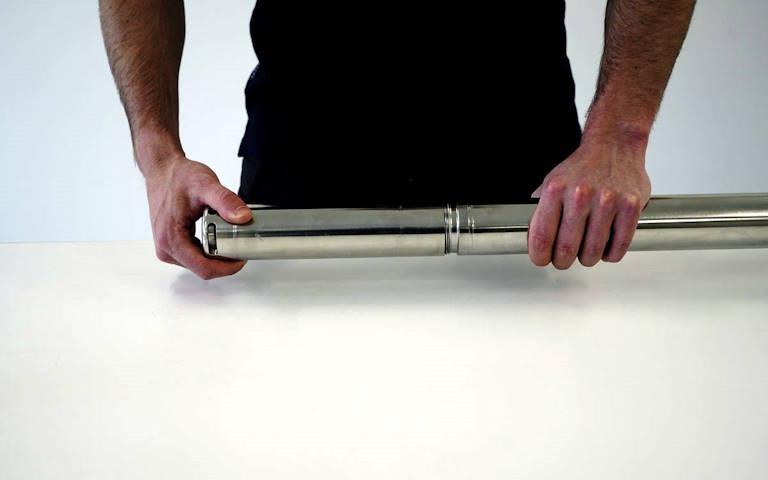
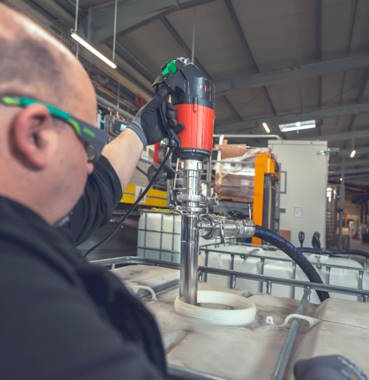
Single-screw pumps, also known as single-rotor pumps, are positive displacement pumps typically used for pumping viscous liquids, solids, and corrosive or shear-sensitive materials. Despite their many advantages, fluid leaks from various pump components are a common problem. If these leaks are not detected and repaired in a timely manner, they can lead to component failure, downtime, reduced safety, and increased repair costs.
This article discusses common causes, consequences, detection methods, and solutions to prevent individual pump leaks.
1. What does it mean if a pump is leaking?
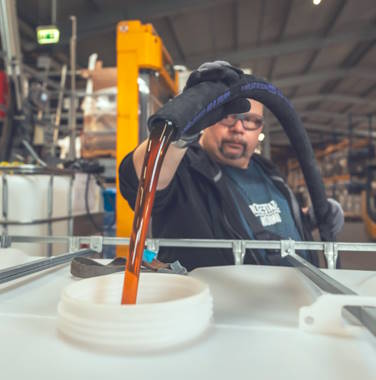
A single pump leak is an unintentional escape of fluid from the pump body, fittings, sealing system, or other internal components. This phenomenon can be divided into external leaks (visible on the pump surface) and internal leaks (fluid moving between different parts of the pump, bypassing the main outlet).
2. Locations where individual pumps are prone to leakage
Pump leaks can be observed in several parts of the system:
-
Installation location of the mechanical seal or mechanical ring package
-
Pump inlet and outlet connections (flanges, fittings)
-
The contact point between the stator and the metal housing.
-
There are welds or cracks on the bodywork .
-
The relationship between rotation and static due to excessive wear
-
A protective coating that has lost its sealing properties



3. Main causes of leaks in single-screw pumps
3.1 Wear of stator and rotor
Over time and with prolonged use, the gap between the rotor and stator increases and the internal seals can fail, resulting in reduced efficiency and internal leaks.
3.2 Failure of the mechanical seal
A cracked, worn, or improperly installed mechanical seal can lead to shaft leaks. This type of leak is particularly common in pumps that handle aggressive or hot fluids.
3.3 Use of unsuitable materials
When pump components are exposed to chemicals or high temperatures, selecting the wrong material (such as stator rubber or rotor alloy) can cause damage and leaks.
3.4 Excessive stress
Using the pump at pressures above the rated pressure may cause damage to the connections or cracks in the pump body.
3.5. The pump is installed incorrectly.
Incorrect alignment, improper flange installation, or the use of unsuitable gaskets can result in leaky connections.
4. Consequences of a leak in a pump
| Result | Explained |
|---|---|
| Low pump efficiency | Internal leaks result in reduced flow and outlet pressure. |
| Workplace pollution | The release of corrosive, toxic or oily liquids into the environment can pose a safety and health risk. |
| Increased maintenance costs | If this is not detected early, further damage will occur and major repairs will be necessary. |
| Cessation of industrial activity | A major leak can paralyze a production line or process. |
| Shorter device lifespan | Contact of liquids with non-corrosive components can lead to corrosion and rust over time. |
5. Methods for detecting leaks in individual pumps
-
Visually inspect the pump daily for moisture, drips, or fluid leaks.
-
Install leak sensors to quickly locate critical pumps.
-
Monitor outlet pressure and flow and check for efficiency losses due to internal leaks.
-
Perform regular hydrostatic pressure tests to check for high-pressure leaks.
-
Check the oil level in the gearbox or bearings, as contamination can cause leaks.
6. Solutions for leak prevention in single pumps
6.1. Correct material selection
Use corrosion-resistant rotors, chemically resistant stators (NBR, EPDM, Viton) and seals suitable for the fluid type.
6.2. Regular maintenance and repair
Regularly checking seals, edges and internal parts for wear plays an important role in prevention.
6.3. Checking the pump performance
Avoid using the product at pressures or temperatures exceeding the design values and monitor fluid parameters.
6.4 Fine and standard installation
Make sure the pump is level, use appropriate washers and tighten the connections securely.
6.5 Use of monitoring systems
Install pressure, temperature, and leak sensors on critical pumps to detect problems early.
7. Repair the leaking pump.
If a leak occurs, repair it according to the cause:
| Origin of the leak | Repair solution |
|---|---|
| mechanical flooding | Complete replacement or flood service |
| Lip contact | Replace, reseal or rework sealing surfaces or edges. |
| fixed part | If there is minor damage, replace the stator or apply sealant. |
| Pump body | Weld cracks, repair surfaces or completely replace damaged parts |
| Rotor/internal stator | Check tolerances and replace parts if excessive wear occurs. |
8. Conclusion
While leaks in single-stage pumps are a common problem, they can be prevented and controlled through proper maintenance, standard materials , professional installation, and continuous monitoring. Early detection and prompt repair of leaks prevents significant damage, downtime, and increased costs. Hiring experienced repair professionals and implementing a preventative maintenance program are critical to the long-term functionality of your pump.