Bearings are an essential part of single-stage pumps, and they play an essential role in reducing friction and wear. They are present in all single-stage pumps to prevent premature failures. In this article, we will discuss single-stage pump bearings, their different types, and their applications.
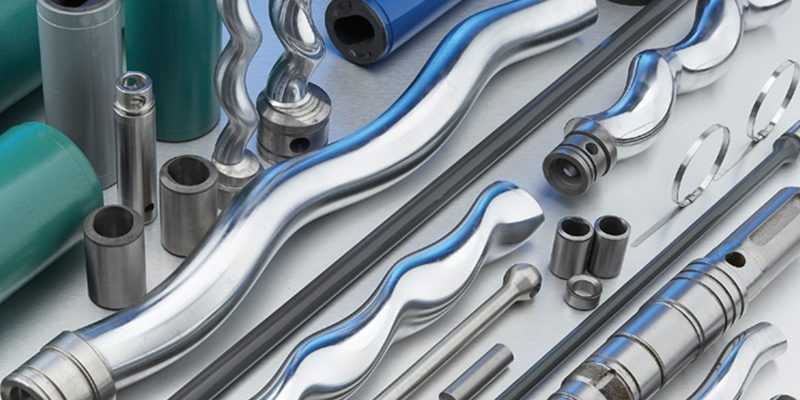
Single Pump Bearings and Their Importance
Individual pumps use bearings to support shafts and moving parts. These bearings prevent corrosion by forming a layer of oil or air between the components, reducing the heat generated by friction . This extends the life of the components and improves the performance of the pump.

Types of Single Pump Bearings
- Deep Groove Ball Bearings:
- Features: This type of bearings has deep grooves on both the inner and outer rings, which increases the loading capacity and has high precision.
- Application: Deep groove ball bearings are widely used in individual pumps because they are capable of accommodating axial and radial loads.
- Angular Contact Ball Bearings:
- Features: These bearings have angular contact grooves and can withstand axial and radial loads.
- Application: Angular contact bearings are used in individual pumps that need to support common loads.
- Self-aligning ball bearings:
- Features: This type of bearings has two rows of bearings, which makes the inner and outer rings self-aligning and prevents misalignment effects.
- Application: Self-aligning bearings are used in single-unit pumps that need to accommodate misalignment.
- Roller Bearings:
- Features: These bearings have cylindrical rollers and can withstand high radial loads.
- Application: Cylindrical bearings are used in individual pumps that need to withstand heavy radial loads.
- Conical Roller Bearings:
- Features: This type of bearings has tapered rollers and can support axial and radial loads.
- Application: Bevel cylindrical bearings are used in individual pumps that need to support common loads.
Benefits of Using Proper Bearings
Using the right bearings in a single pump has many benefits, including:
- Extend the life of parts: Proper bearings help to reduce wear on the parts, thus extending their life.
- Improved performance: By reducing friction and generating heat, the performance of the individual pump is improved.
- Reduce maintenance and repair costs: By using the right bearings, you can reduce the need for frequent repairs and lower maintenance costs.
Key points for choosing and maintaining a bearing
To make the best use of individual pump bearings, the following points should be taken into account:
- Choosing the Right Bearing: It is very important to choose the right bearing based on the specific needs of each pump and its operating conditions.
- Proper lubrication: Proper lubrication of bearings at regular intervals can prevent corrosion.
- Regular monitoring: Regular monitoring of bearing performance and timely replacement can prevent sudden breakdowns.

Conclusion
Bearings are essential components of every pump, and they play a pivotal role in reducing friction, wear, and component failure. Choosing the right bearings and performing the necessary maintenance helps extend the life of components, improve the performance of each pump, and reduce maintenance and repair costs.