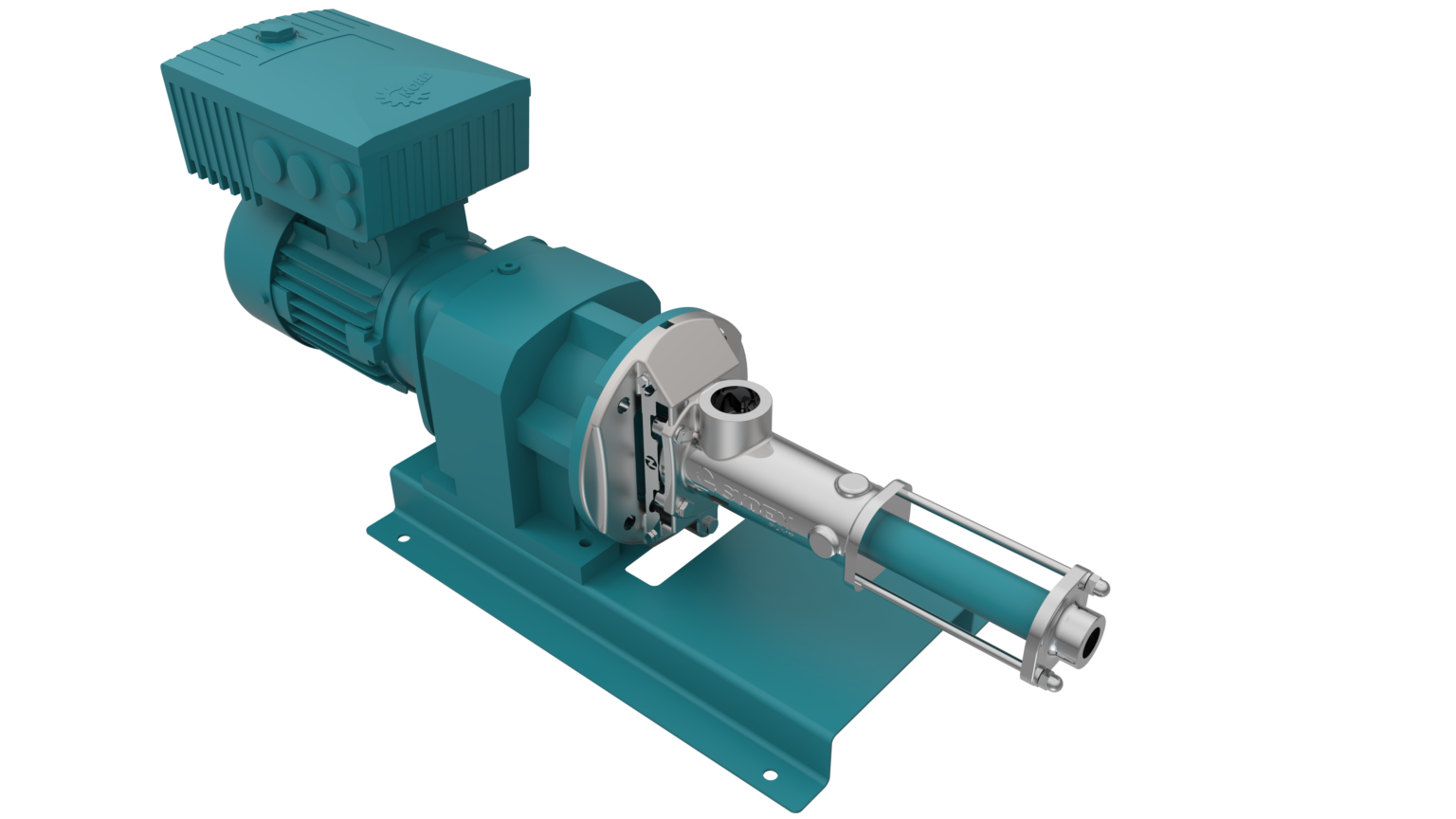
Single-screw pumps are widely used in the oil and gas, petrochemical, food, and pharmaceutical industries, as well as in water supply and water treatment, because they can pump fluids of varying viscosities, even those containing solid particles. The key element of these pumps is the mechanical seal, which prevents fluid from leaking around the shaft.
Due to the high sensitivity of mechanical seals, it is essential to perform a leak test after installation or repair . This test determines the seal’s tightness and effectiveness, preventing problems such as fluid leaks, environmental contamination, and even downtime.
Importance of mechanical seals in single-stage pumps
A mechanical seal is a component consisting of two smooth surfaces (usually one fixed and one moving) in direct contact with the fluid. Its functions are:
-
Prevent fluid leakage
-
Maintaining pressure in the pump
-
Reduces shaft friction and wear.
-
Improving occupational safety and health protection in sensitive sectors
Since mechanical seals are constantly exposed to pressure, temperature and the chemical composition of the fluids, leak testing is critical to ensure proper operation.

Causes of leaks through the mechanical seal
Before performing the test, you should be aware of the factors that lead to fluid leakage:
-
Incorrect installation or shaft misalignment
-
Solid particles cause wear on the sealing surface.
-
Choosing the wrong material for ring and O-ring
-
extreme temperature and pressure fluctuations
-
Chemical corrosion due to the type of fluid
-
Incorrect assembly and failure to adhere to the correct tightening torque.
Leak test of the mechanical seal of a single-stage pump
Leak testing is a set of methods and criteria used to test the tightness of mechanical seals. These tests can be divided into two main categories:
-
Master’s examinations
-
Field tests
1. Hydrostatic pressure test
The most common method involves pumping water or a test fluid under pressure into an injection chamber. The process involves the following steps:
-
Water injection or fluid testing in the water injection chamber .
-
Apply a specific pressure (usually higher than the actual working pressure)
-
Monitoring for a specific period of time (10 to 30 minutes)
-
Check the exterior surface for leaks.
Advantages: Simple, precise, can be performed in a workshop.
Disadvantages: Requires high-pressure equipment, and excessive pressure can cause water damage.
2. Gas tightness test (air pressure test)
This method uses a gas such as air or nitrogen:
-
Apply air pressure to the filling chamber.
-
Use bubble cleaner or a leak detection solution to detect bubbles.
-
Record the leak rate per unit of time.
Advantages: High sensitivity for detecting small leaks.
Disadvantages: Requires greater security due to air pressure.
3. Vacuum leak test
In some cases, no overpressure is created in the pressure chamber, but rather a vacuum:
-
Connect the vacuum pump to the overflow system.
-
Monitoring the negative pressure over a certain period of time.
-
Any drop in pressure is a sign of a leak.
This method is suitable for volatile liquids or test liquids that are difficult to handle.
4. Operational leak test
This test checks the mechanical seal during actual pump operation:
-
Fill the pump with process fluid.
-
Measurement of leaks in the well and column area
-
Monitor temperature, pressure, and vibration to detect unusual leaks.
This approach is the most realistic form of testing , but it is riskier and more expensive to implement.
Tools and equipment for leak testing
To perform an accurate test, use the following tools:
-
Pressure gauges for monitoring the pressure of liquids or gases
-
Apply test pressure manually or with a hydraulic pump.
-
Leak detection solutions for bubble monitoring during gas testing
-
Pressure and temperature data loggers record short-term changes.
-
Vacuum test of the vacuum pump
Test standards for mechanical seal leaks
To ensure the accuracy of the tests, several international standards have been established. The most important of these are:
-
API 682: Standard for the Design and Testing of Mechanical Seals for the Petroleum and Natural Gas Industry
-
ISO 21049: Guide to the testing and selection of mechanical seals
-
API 610: General Standard for Pump and Seal Test Requirements
These standards contain precise criteria for determining the test pressure, test duration and permissible leakage rate.
Advantages of leak testing of mechanical seals
-
Improving safety: preventing the leakage of hazardous liquids
-
Reduced maintenance costs: Early detection of defects before operation
-
Extend pump life: Ensure seal integrity and shaft performance.
-
Environmental protection: Avoid contamination from leaking liquid.
-
Reduce production downtime: Avoid sudden breakdowns in production lines.
Common errors in leak testing
-
Overpressure and flooding
-
Use of a test fluid that is incompatible with the sealing material.
-
Failure to comply with the correct follow-up time
-
Incorrect installation of the seal before testing
-
Relying on one testing method and ignoring the combination of multiple methods
Finally
The mechanical seal of a single-stage pump is one of the most important sealing components. Its proper function is essential to prevent fluid leaks and ensure the pump’s efficiency. The leak test, which complies with international standards, is a reliable method for assessing the condition of the seal before use.
By using methods such as hydrostatic, pneumatic, vacuum and performance testing , as well as high-precision equipment, the industry can reduce the risk of leaks and improve system efficiency.
Ultimately, testing the tightness of a single mechanical seal on a pump is not just a quality control process, but a preventative, safe and cost-effective measure for any industry.