Electric motors are among the most important devices in modern life and industry. They are widely used and play a key role in various fields, from household appliances to heavy industry. The heart of these motors consists of two main components: the stator and the rotor . Understanding how the rotor moves within the stator helps us better understand the operation and maintenance of an electric motor.
In this article we explain simply and precisely how stator and rotor work, how the magnetic field is generated and how the rotor moves.
What is a stator?
The stator is the stationary part of the motor, whose main function is to generate a rotating magnetic field . The stator typically consists of coils connected to an AC or DC power source. When current flows through these coils, a magnetic field is created.
In an AC induction motor, the stator consists of three main windings, each fed by three phases . The phase difference between the currents causes the magnetic field to rotate instead of remaining stationary . This rotating magnetic field drives the rotor’s motion.
What is dizziness?
The rotor is the moving part of the motor. It is located in the stator and connected to the motor shaft. As the rotor rotates, electrical energy is converted into mechanical energy.
There are different rotor types:
-
Squirrel cage : The most common type of induction motor, consisting of copper or aluminum bars in a steel core.
-
Wound rotor : consists of coils connected to slip rings and brushes.
-
Permanent magnet rotor : Used in some motors such as synchronous motors or brushless DC (BLDC) motors.
Mechanism for moving the rotor in the stator
1. Generation of a magnetic field in the stator.
When a three-phase current flows through the stator winding, an alternating magnetic field is generated that is synchronized with the frequency of the supply current and constantly changes direction.
2. Current induction in the rotor.
According to Faraday’s law of electromagnetic induction, when an alternating magnetic field is applied to a conductor (rotating rod), an induced current is generated, which creates a secondary magnetic field in the rotor.
3. Interaction between fields
The rotor’s magnetic field interacts with the rotating stator’s magnetic field. According to Lenz’s law, the rotor’s magnetic field tends to align with the stator’s magnetic field. This interaction causes the rotor to generate torque and rotational motion.
4. Keep moving
As long as current flows in the stator and a rotating magnetic field is created, the rotor rotates accordingly. The final speed of the rotor is slightly lower than the speed of the stator magnetic field; this speed difference is called slip .
Differences in the movement of asynchronous and synchronous motors
-
Asynchronous motor: The rotor speed is lower than the stator field speed (due to the need for induction current).
-
Synchronous motor: The rotor rotates at the same speed as the magnetic field , usually using permanent magnets or a DC excitation source.
Factors that influence motion vertigo
-
Supply voltage: Increasing the voltage creates a stronger magnetic field and the rotor rotates better.
-
Current frequency: The frequency of the input current determines the speed of the magnetic field.
-
Rotor design: The shape, material and type of rotor coils directly affect performance and efficiency.
-
Mechanical load: The load on the shaft influences the speed and slip of the rotor.
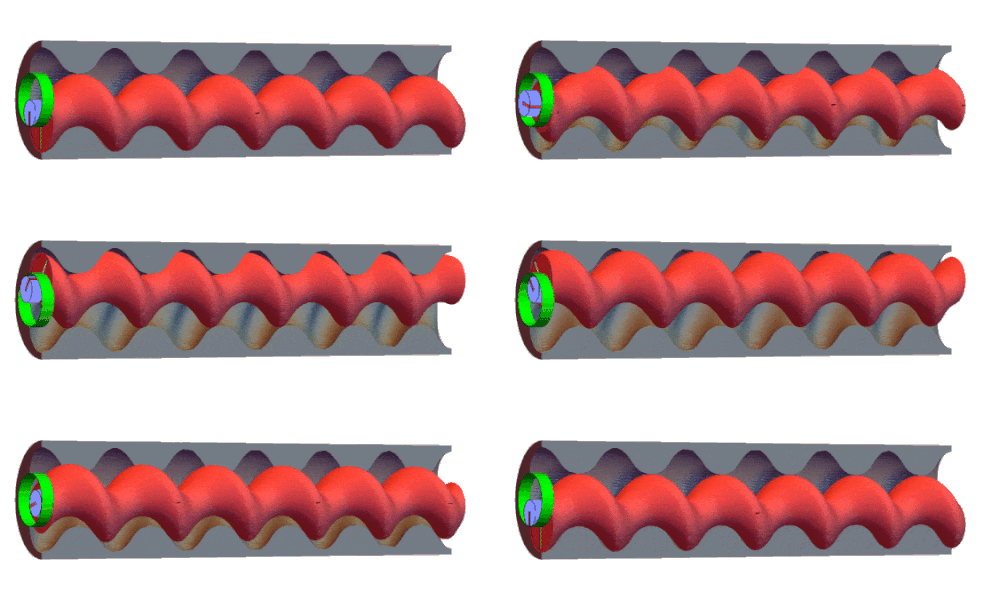
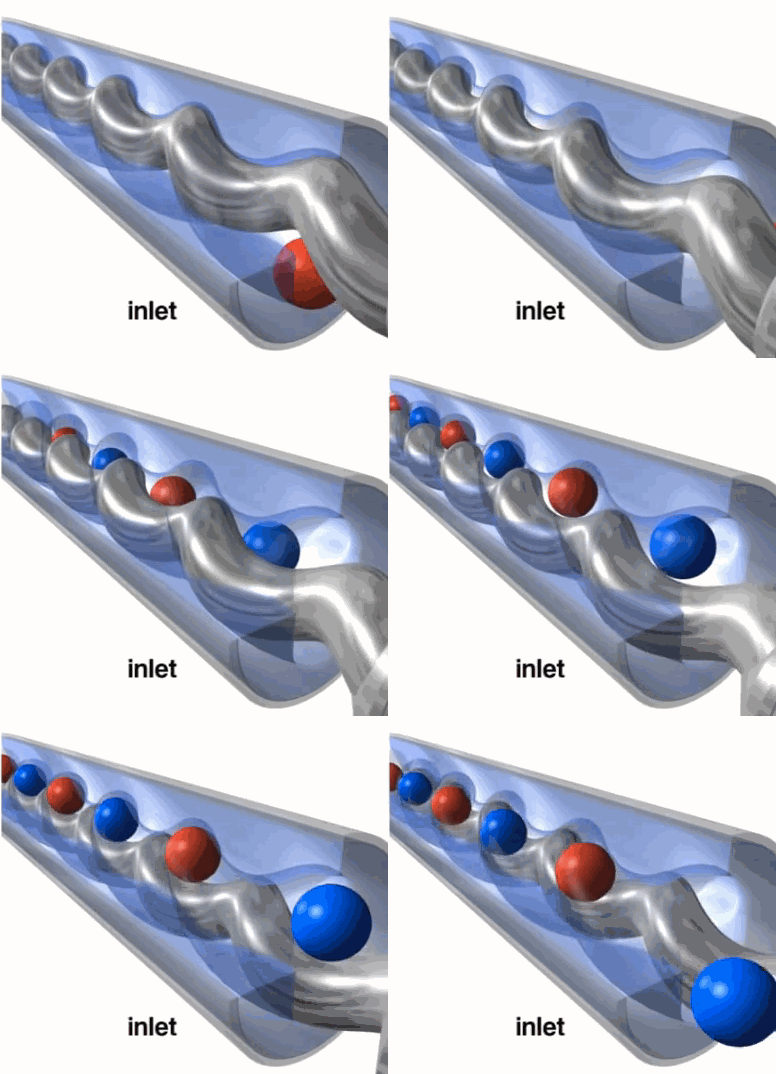
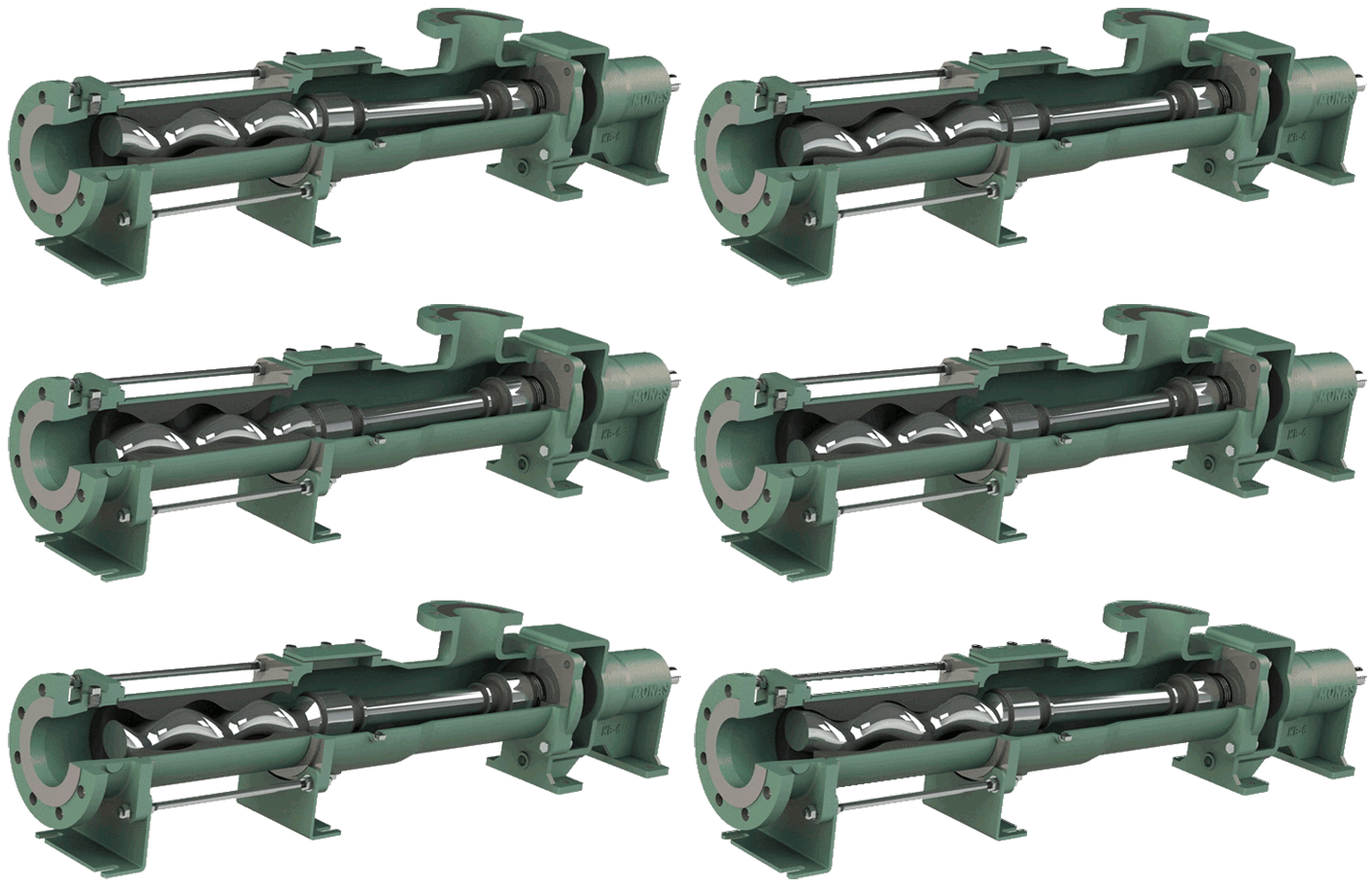
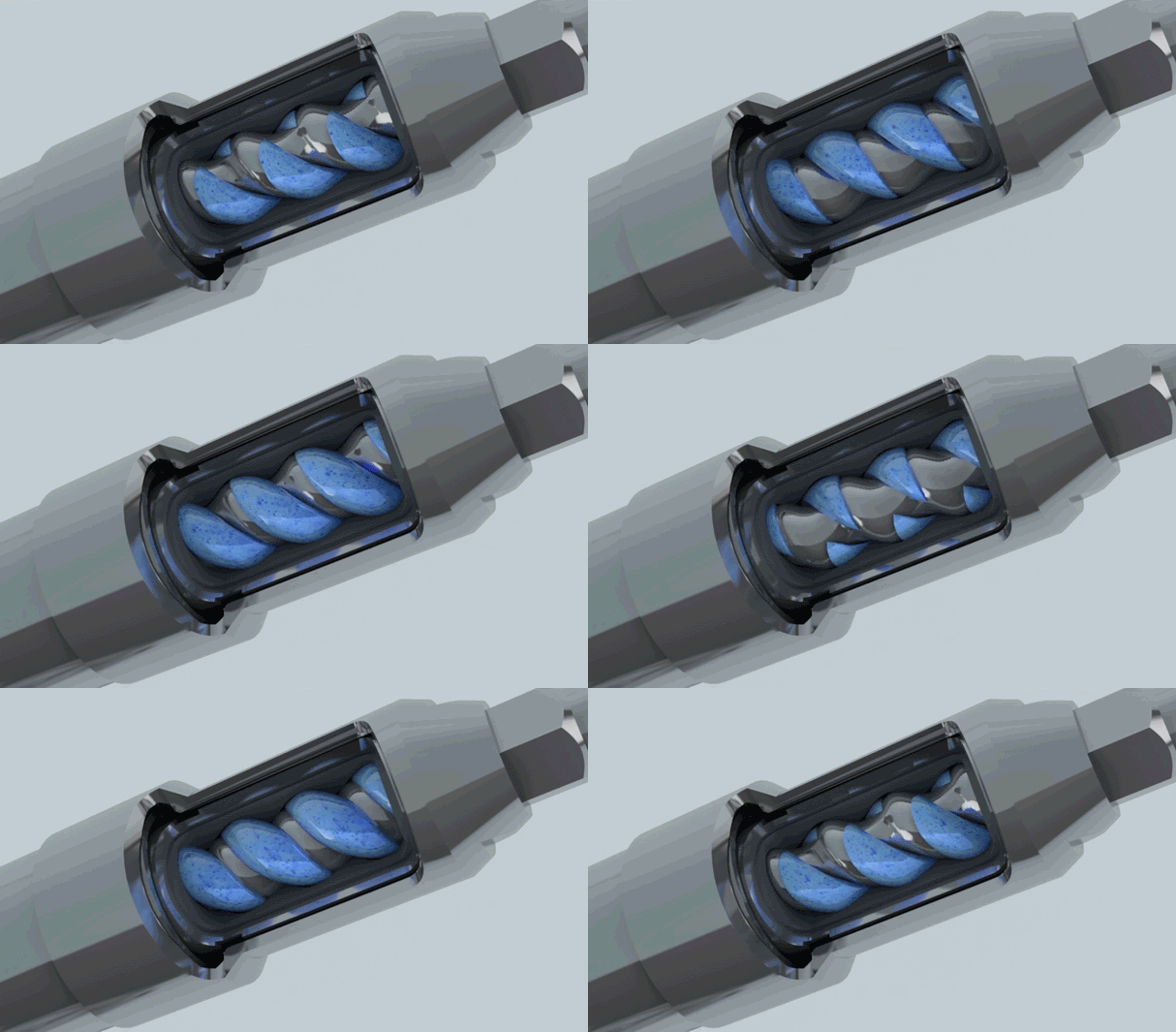
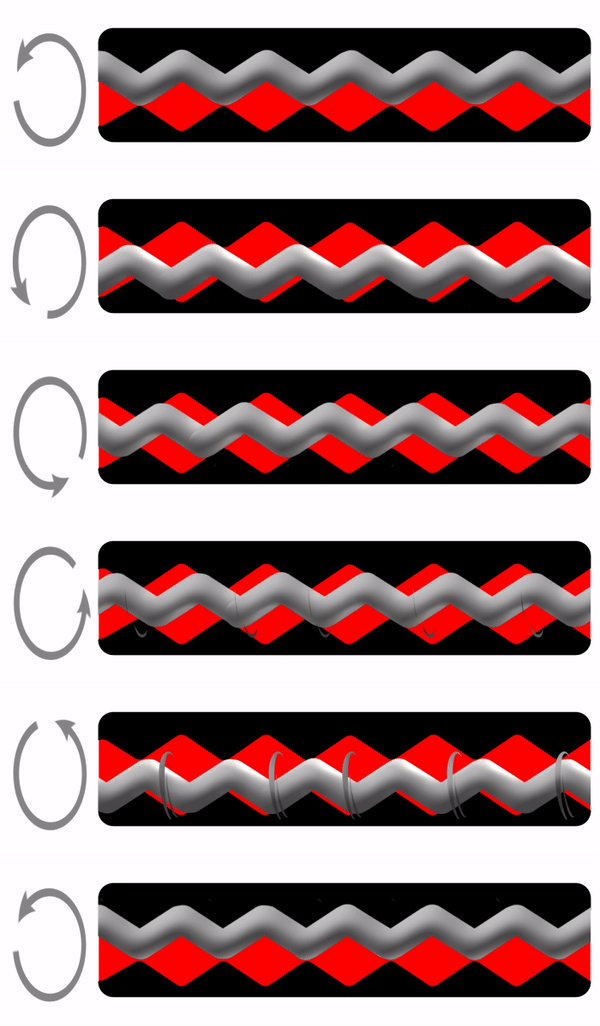

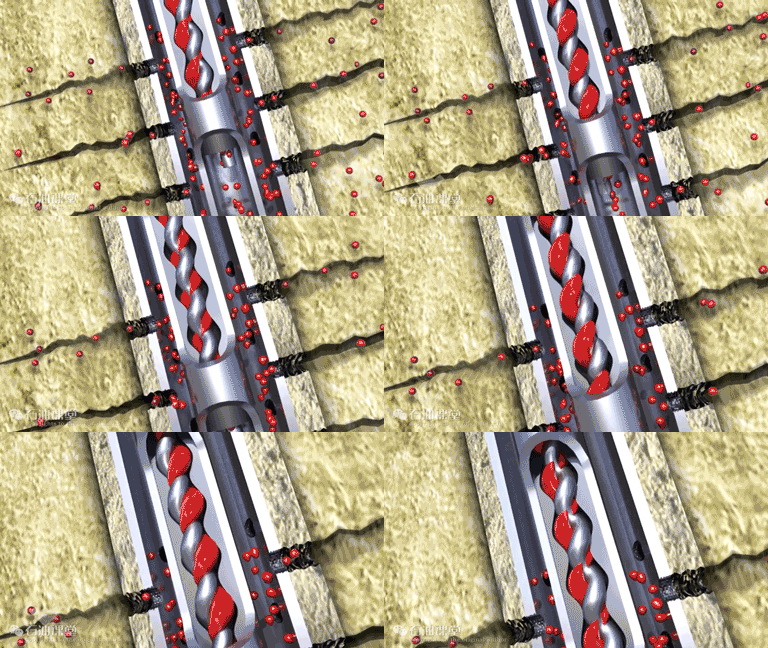

A simple example to understand rotor motion.
Imagine a rotating magnet and a piece of conductive metal nearby. As the magnet rotates, the magnetic field around it changes, inducing currents in the metal. These currents create a force that moves the metal in the direction of the magnet’s rotation . This is how an induction motor works.
Practical application of rotor movement in the stator
-
Industry: Drives for pumps, fans, compressors, conveyor belts.
-
Transport: Electric motors for cars and electric trains
-
Household appliances: refrigerators, air conditioners, washing machines, etc.
-
Robotics and automation: synchronous motors and micromotors
Maintaining and extending the service life of rotors and stators.
-
Regular inspection of the winding insulation
-
Avoid dust and moisture.
-
Proper lubrication of bearings
-
Temperature control and overload protection
Finally
The movement of the rotor in the stator is necessary for the operation of all electric motors . The stator generates a rotating magnetic field that sets it in motion. This field is mechanically reflected back to the motor shaft. The main difference between asynchronous and synchronous motors is the synchronization of the rotor with the stator’s magnetic field.
Understanding this process is important not only for students and electrical hobbyists, but also for technicians and tradespeople, as understanding the principles of operation can improve motor performance and extend its lifespan.